Testosterone Supplements for Men: A Full Guide to What Works, What Doesn't, and How to Read the Label
Quick Answer: Do Testosterone Supplements for Men Actually Work?
Testosterone supplements for men do not add testosterone to your body; they supply nutrients and botanicals that support your own production and vitality. The best-evidenced ingredients—ashwagandha, zinc, magnesium and vitamin D at studied doses—can help when a genuine shortfall exists, but they support rather than replace medical care for diagnosed low T.
- They support, not replace: a supplement is a nudge to normal function, not a substitute for a diagnosis.
- Dose beats ingredient count: a fully disclosed label with four real doses beats a twelve-name proprietary blend.
- Best-evidence actives: ashwagandha, zinc, magnesium and vitamin D lead the field on human data.

If you have ever stood in the supplement aisle wondering whether testosterone supplements for men are worth the money—or whether they are all marketing—this guide is built to answer that honestly. Testosterone supplements for men are among the most searched products in the entire male-health category, yet the label on the bottle rarely tells you what the research actually supports. This full guide walks through the real categories, who genuinely benefits, how these products differ from medical treatment, what the science says about safety, and how to read a panel so you can tell a serious formula from a repackaged blend.
Here is the framing that keeps you out of trouble: a dietary supplement is a support tool. It cannot claim to diagnose, treat, cure or prevent anything, and any product that says otherwise is telling you more about its marketing than its contents. The useful question is not "will this fix my testosterone?" but "does this formula contain the ingredients that human research supports, at amounts resembling the studies, on a label honest enough to let me check?"
Who benefits from testosterone supplements for men
The honest answer is narrower than the advertising suggests. The men who get the most from these formulas tend to share a profile: they are past their mid-thirties, they have noticed a gradual dip in energy, drive, recovery or mood, and—importantly—their foundations are already in reasonable shape. Sleep, resistance training, protein intake and body composition move testosterone far more than any capsule, and a supplement layered on top of a good routine is doing what it is designed to do. A supplement layered on top of four hours of sleep and no exercise is trying to plug a hole that no capsule can plug.
There is also a nutritional-gap case. Zinc, magnesium and vitamin D are genuinely common shortfalls in men who train hard, eat restrictively, or live somewhere with long winters. Correcting a real deficiency in one of these can restore testosterone toward its own normal range—not above it, but back to where your physiology intends. That is a legitimate, well-documented reason to supplement, and it is very different from the fantasy of pushing a healthy man's hormones into an unnatural high.
Who should not rely on a supplement? Any man whose symptoms are severe, sudden or genuinely disruptive—persistent fatigue, loss of morning erections, low mood, or shrinking strength despite training. Those symptoms deserve a blood test and a clinician, because clinically low testosterone is a medical condition and a capsule is not the tool for it. Supplements support; they do not diagnose.
The main categories of testosterone supplements for men
Walk any store or scroll any marketplace and the products blur together, but they fall into a handful of honest categories. Understanding which category a bottle belongs to tells you what it can reasonably do.
Single-nutrient correctors. Standalone zinc, magnesium or vitamin D. These are cheap, well understood, and genuinely useful if you are deficient. Their whole case rests on correcting a shortfall, so they do little for a man whose bloodwork is already fine.
Adaptogen-led formulas. Built around ashwagandha and similar stress-modulating botanicals. Their mechanism runs through the stress axis rather than directly through the testes, which is a real and increasingly well-studied route. The evidence here is the most interesting development in the category over the last decade. We unpack the underlying studies, including the circulation arm most guides skip, in our look at what the testosterone and circulation evidence shows.
Blended vitality formulas. The most common shelf product: a combination of minerals, adaptogens and traditional botanicals aimed at energy, drive and stamina together. Quality varies enormously, and this is exactly where label-reading earns its keep, because a good blend and a padded blend can look identical on the front of the box.
Traditional botanical stacks. Built on maca, fenugreek, tribulus and horny goat weed. These carry deep cultural pedigrees and thin modern trial records, which is not the same as being useless—but a product whose entire case rests on tradition is resting on history rather than data. For a fuller picture of which actives sit where, our breakdown of male vitality ingredients ranked by evidence tier sorts them honestly.
See a testosterone-support label that names its actives
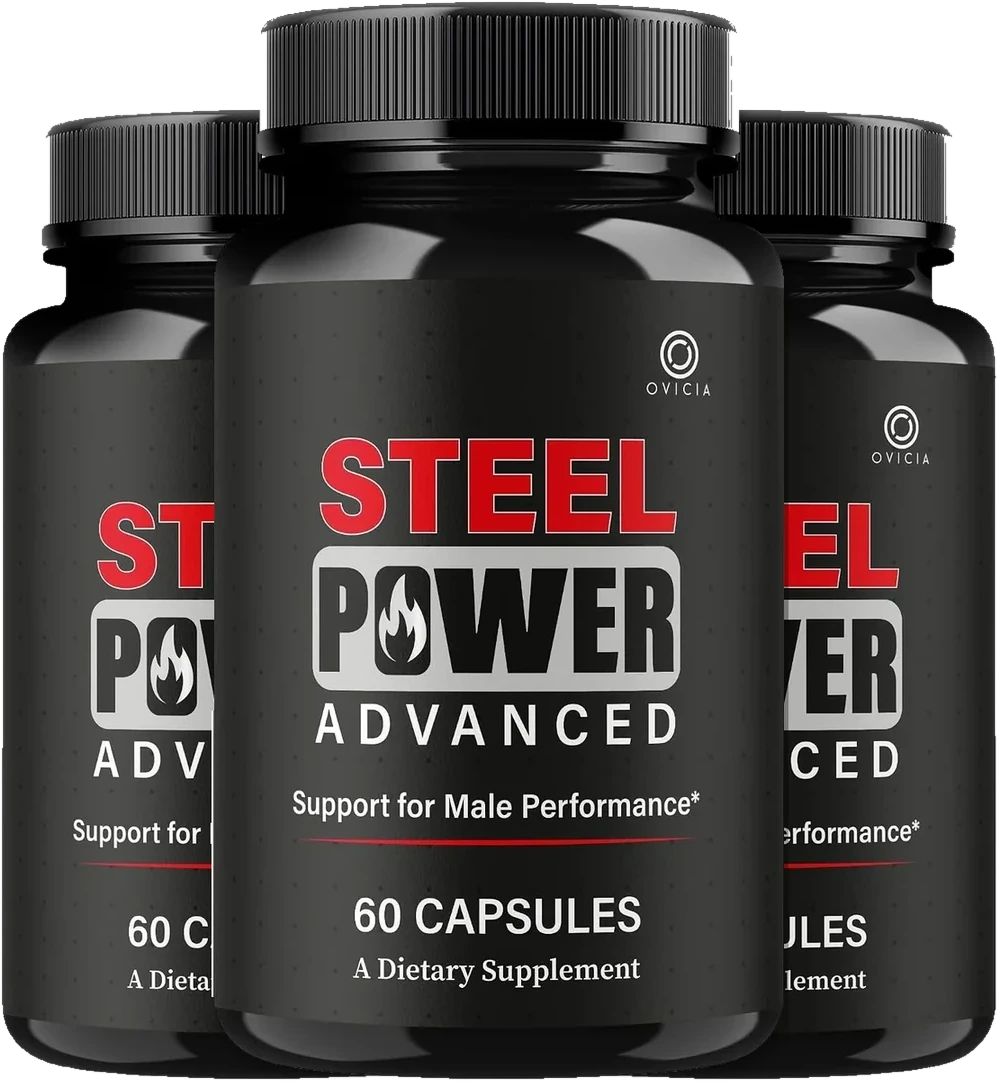
Steel Power names each of its five actives instead of hiding them in a proprietary blend, though the per-capsule amounts are not published. Check the panel on the bottle yourself before you decide.
Check the Official Steel Power OfferSupplements versus TRT: two different things entirely
This is the distinction that causes the most confused buying, so it is worth stating plainly. Testosterone replacement therapy (TRT) is a prescription medicine. A doctor confirms low testosterone with blood work, then delivers actual testosterone—by injection, gel or pellet—and monitors your levels, red blood cell count and prostate markers over time. TRT is powerful precisely because it puts the hormone directly into your system, and it carries the responsibilities that come with any hormone therapy.
A supplement contains no testosterone. Not a milligram. It supplies raw materials and signals—minerals your enzymes need, botanicals that influence the stress axis—and lets your own body do the producing. That means a supplement can only ever support a system that is capable of responding. If your testes are producing normally but your zinc is low, correcting the zinc helps. If your production is genuinely broken, no amount of zinc rebuilds it, and that is TRT's territory, not a capsule's.
Put simply: TRT treats a diagnosed deficiency under supervision; supplements support normal function and cannot replace medical care for low T. The two are not competitors and they are not interchangeable. The mistake to avoid is using an over-the-counter formula to self-treat a condition that actually needs a blood test. If your symptoms are real, get the test first—then decide where a supplement fits, if at all.
The strongest-evidence ingredients in testosterone supplements for men
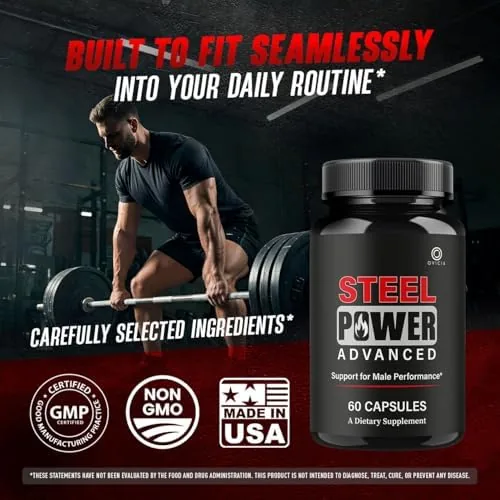
Strip away the exotic names and the field narrows to four actives that carry the most consistent human data. None is a miracle. Each has a mechanism you can understand and a dose the research actually used.
Ashwagandha. The standout of the modern era. This adaptogen works largely by moderating the stress hormone cortisol, and because cortisol and testosterone sit on opposite ends of a see-saw, lowering chronic stress load can let testosterone recover. Controlled trials in stressed and active men have reported meaningful gains in serum testosterone and sexual well-being, typically using standardised extracts around 300–600 mg daily over eight to twelve weeks. If you want the mechanism and dosing in depth, our ashwagandha for testosterone dosage and timeline guide covers exactly how much and how long.
Zinc. An essential cofactor in the enzymatic steps that produce testosterone. Correcting a zinc deficiency reliably restores testosterone toward normal—a genuine, documented effect. The catch marketing skips: if your zinc is already adequate, extra zinc does not push you higher, and sustained high intakes interfere with copper.
Magnesium. Involved in hundreds of enzymatic reactions and in the regulation of free versus bound testosterone. Deficiency is common, especially in athletes and heavy sweaters, and correcting it supports both hormone availability and the sleep quality that testosterone depends on. Like zinc, its value is largest when you are actually short.
Vitamin D. Technically a hormone precursor, with receptors in the tissues that make testosterone. Observational data links low vitamin D with lower testosterone, and correction studies are encouraging, particularly in deficient men through the darker months. Again the theme repeats: it repairs a shortfall rather than acting as a lever on an already-healthy system.
Notice the pattern. The best-evidenced ingredients are correctors and modulators, not accelerators. That is the honest ceiling of this category, and a formula that respects it is more trustworthy than one that promises to double your numbers.
How to read a testosterone supplement label without getting fooled
This is the single most useful skill in the aisle, and it comes down to one word: disclosure. A "proprietary blend" lists a group of ingredients and a single combined weight—say, 900 mg of a "Men's Vitality Matrix"—without telling you how much of each active is inside. That is legal, and it is also the easiest way to sprinkle a trace of an expensive, well-researched ingredient behind a wall of cheap filler while still printing its impressive name on the front.
Favour fully disclosed labels, where every ingredient carries its own milligram figure. Only then can you compare the dose on the panel to the dose in the studies—the check that actually predicts whether a product can do anything. A fully disclosed ashwagandha at 600 mg is a different product from an undisclosed blend that might contain 30 mg, even though both say "ashwagandha" on the box.
Three fast checks turn a label into a verdict. First, is every active dosed individually, or hidden in a blend? Second, do the evidence-backed actives appear at amounts resembling the trials? Third, does the seller describe outcomes in support language, or does it promise a result no dietary supplement is legally allowed to promise? A product that passes all three is doing what can honestly be done. One that fails the third has told you how seriously to treat the first two—a point we unpack in what "proven" really means in men's supplement marketing.
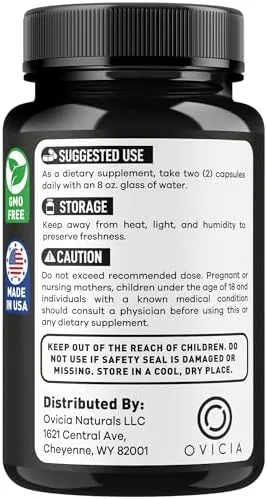
Are testosterone supplements for men safe?
For the well-studied ingredients at label doses, the safety record is reassuring—but "generally safe" is not "safe for everyone, forever." Ashwagandha is well tolerated in most trials, though people with thyroid conditions or on immune-modulating drugs should check with a clinician. Zinc taken high for months can suppress copper and blunt immunity. Magnesium in large single doses loosens the bowels. Vitamin D is fat-soluble and can accumulate if you megadose without testing. None of these are reasons to fear a sensible formula; they are reasons to respect doses and to read the panel.
The bigger safety point is interaction and context. Botanical blends can interact with blood-pressure medication, blood thinners and sedatives, and almost no finished multi-ingredient formula has been trialled as a complete product—so combining researched actives does not produce a researched blend. If you take prescription medication, manage a health condition, or are heading for surgery, the safest move is a conversation with your doctor before you start. That is not boilerplate; it is the difference between a supplement helping and a supplement colliding with something else you take.
A supplement's job is to support a system that already works. When the system is genuinely broken, that is a medical conversation—and the more responsible sellers say so on their own pages.
Medical note: this article is general information, not medical advice. Speak to a healthcare professional before starting any supplement, especially if you take prescription medication or manage a health condition. Persistent fatigue, low drive or mood changes deserve a blood test rather than a guess.
Related reading from the Steel Power library
- How to choose the best testosterone booster in 2026
- The natural testosterone booster buyer's guide
- Male enhancement pills vs testosterone boosters, compared
- How to read IIEF scores in male supplement studies
Frequently asked questions
Who should consider testosterone supplements?
Men who notice age-related dips in energy, drive, recovery or mood, and whose diet, sleep and training are already reasonable, are the best fit for testosterone supplements. They are support tools, not rescue tools. Anyone with symptoms severe enough to disrupt daily life should get a blood test first, because a supplement is not the right answer to clinically low testosterone.
What's the difference between supplements and TRT?
Testosterone replacement therapy is a prescription that puts actual testosterone into the body under medical supervision, with blood monitoring. A supplement supplies nutrients and botanicals that support the body's own hormone production and vitality, and contains no testosterone. TRT treats a diagnosed deficiency; supplements support normal function and cannot replace medical care for low T.
Are testosterone supplements safe long term?
The well-studied ingredients such as ashwagandha, zinc, magnesium and vitamin D are generally well tolerated at label doses, but long-term safety depends on the specific formula, the doses and your own health. Zinc taken high for months can lower copper, and some botanicals interact with medication. Fully disclosed labels and a word with your clinician are the safest path.
Which testosterone supplement should men start with?
Start with a fully disclosed formula that lists per-ingredient doses rather than a proprietary blend, and that leans on evidence-backed actives like ashwagandha, zinc, magnesium and vitamin D at studied amounts. Steel Power meets the naming half of that test — five actives listed individually, no proprietary blend — but not the dosing half, since per-capsule amounts were not published on the pages we reviewed.
Scientific references
- NIH Office of Dietary Supplements — Zinc: Fact Sheet for Health Professionals
- NIH Office of Dietary Supplements — Magnesium: Fact Sheet for Health Professionals
- NIH Office of Dietary Supplements — Vitamin D: Fact Sheet for Health Professionals
- NIH NCCIH — Ashwagandha: What You Need To Know
- Mayo Clinic — Male hypogonadism (low testosterone): symptoms and causes
Compare testosterone supplements for men against a transparent label
Steel Power lists every active and its dose so you can run the label checks in this guide yourself. Start with the panel, then decide.