Best Testosterone Booster 2026: How to Choose One That's Actually Worth Buying
How do you choose the best testosterone booster in 2026?
Choose the best testosterone booster by ignoring rankings and reading the label. The single most predictive filter is dosage transparency: every researched active should carry its own milligram figure at an amount that matches published human trials. Then confirm third-party testing, an honest label and a real refund policy before you buy.
- Dose first: ashwagandha 300–600mg, fenugreek 500–600mg, plus zinc and magnesium at studied levels.
- No blends: a "proprietary blend" hides amounts, so treat it as underdosed until proven otherwise.
- Low risk: third-party testing plus a money-back guarantee lets you test a product without gambling.

Type "best testosterone booster" into a search bar and you will get thousands of pages that all sound the same: a numbered grid, five bottles with star ratings, an "editor's choice" that happens to pay the highest commission. That format answers the wrong question. The best testosterone booster for you is not a position on someone else's list — it is a formula whose dose, testing and refund terms hold up when you actually read them. This guide gives you the criteria to do that yourself, so you can walk into any 2026 comparison and separate an evidence-tier product from a placebo in a prettier bottle.
We publish this as an independent affiliate site, which means we earn a commission if you buy through our links. That is exactly why we would rather teach you the filter than sell you a ranking: a filter you can use on any label protects you long after this page is out of date.
Why most "best testosterone booster" lists are useless
The numbered list is a persuasion format wearing the costume of research. It looks objective because it is ordered, but the order almost never reflects ingredient dosing, trial evidence, or manufacturing quality. It reflects affiliate payouts, cookie durations and which brand had the biggest media budget that quarter. Swap the commissions around and the "rankings" would reshuffle overnight, which tells you they were never measuring the product to begin with.
Worse, the grid format encourages the wrong instinct. It trains you to compare star ratings and price when the only thing that predicts whether a testosterone support supplement does anything is what is inside the capsule and how much of it. A five-star product with trace doses is worse than a three-star product with full ones. The stars are noise. The panel is the signal.
So the rest of this guide throws out the ranking and gives you a repeatable process instead. It starts with the one filter that eliminates most of the category in a single glance.
The one filter that matters most: dosage transparency
Here is the fact that should reframe your entire search. A 2020 review that examined 50 popular testosterone-boosting supplements found that more than 60% of the ingredients used had no clinical data showing any effect on testosterone at all. Not weak evidence — zero. Many of the remaining ingredients had human data, but the products used them at a fraction of the studied dose. In other words, most of what is sold as a "T-booster" is filler with a good story.
That is why dosage transparency is the number-one filter. It does two jobs at once. First, it lets you check whether the researched actives are even present in useful amounts. Second, it is a proxy for honesty: a company willing to print every milligram is telling you it has nothing to hide, while a company hiding behind a "proprietary blend" is usually hiding the fact that its expensive ingredients are present as a pinch. Full clinical doses cost money. Nobody buries good news.
Practically, this means you can disqualify a huge share of the market before you even evaluate the ingredients: if the label does not give each active its own number, move on. What survives that cut is a much shorter, much more honest list.
Five criteria that separate an evidence-tier booster from a placebo
1. Clinically dosed, evidence-backed ingredients
Once you have a transparent label, check the doses against the research. A short list of actives carries most of the legitimate evidence in this category. Ashwagandha (usually as a standardised root extract) has been studied at roughly 300 to 600mg per day, with trials linking it to reductions in stress markers and modest changes in testosterone in stressed or resistance-training men. Fenugreek at 500 to 600mg has mixed but real human data, with some trials showing testosterone increases up to around 12% and others showing no effect — which is exactly why the dose has to be there for the product to even have a chance. Zinc and magnesium round out the core: both are genuine cofactors in the pathways that produce testosterone, and correcting a deficiency in either can restore levels toward normal.
The rule is simple. The researched ingredients should appear at amounts within reach of the studies. If ashwagandha is on the label at 50mg, it is decoration. If it is at 300 to 600mg, it is an intervention.
2. Third-party testing
A label tells you what a company intends to put in the bottle. Third-party testing tells you what actually made it in, and confirms the product is free of heavy metals, undeclared stimulants and contaminants. The US supplement market is regulated after the fact, not before sale, so independent verification is the closest thing you have to a guarantee that the panel is truthful. Look for a company that manufactures in a GMP-certified facility and is willing to say so plainly.
3. A fully transparent label
Transparency is more than avoiding a proprietary blend. The best products name the exact form of each ingredient (which extract, which salt of magnesium, which standardisation of ashwagandha), the serving size, and the number of servings per container. Form matters because a cheap, poorly absorbed version of an ingredient can be technically "present" while doing far less than the studied form.
4. A real refund policy
Because individual response in this category is genuinely variable, a money-back guarantee is not a marketing flourish — it is a risk-transfer tool. A generous, clearly stated refund window lets you run the product for the 8 to 12 weeks that testosterone-support ingredients typically need before any change would show, and get your money back if nothing does. A company confident in its formula offers this. A company that is not, does not.
5. Honest, compliant marketing
The final tell is the language. A trustworthy seller describes its product in support terms — supports healthy testosterone, supports energy and drive — and never claims to treat, cure or reverse a medical condition. Any product promising to "skyrocket" testosterone or "cure" low T is either breaking the rules or hoping you will not notice that no dietary supplement is legally allowed to say that. Overpromising in the copy is a reliable predictor of underdelivering in the bottle.
Put a real label to the test
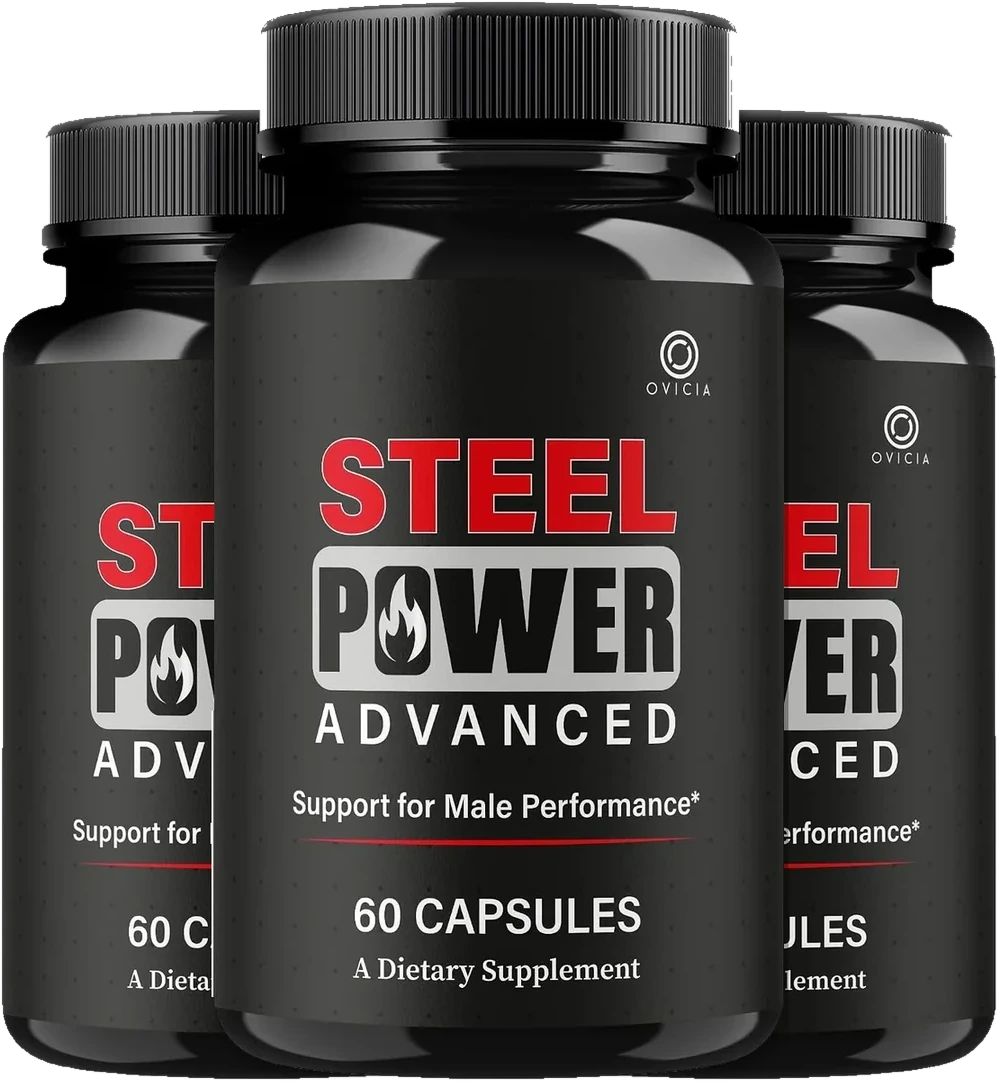
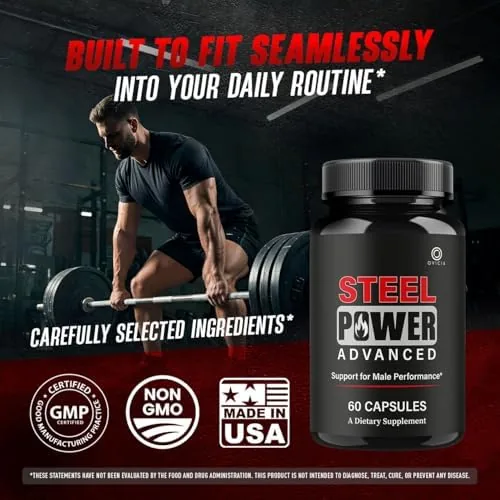
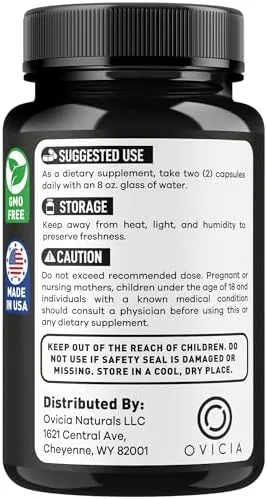
Steel Power names its five actives openly instead of hiding them in a proprietary blend, though it does not publish per-capsule amounts. Run it through the five criteria above and see how far it gets.
See the Official Steel Power OfferThree myths to drop before you buy
Myth one: "more ingredients means a stronger product." A panel with twenty botanicals looks generous, but a bottle can only hold so much powder. The more names on the label, the smaller each dose has to be, which usually means the researched actives are present in amounts too small to matter. A tight formula with four fully dosed ingredients beats a kitchen-sink blend every time.
Myth two: "a booster will make me feel it in a few days." The stimulant rush some products deliver on day one is caffeine or a similar additive, not testosterone support. The ingredients with real evidence work on a slow biological timeline — think 8 to 12 weeks of consistent daily use before a measurable change would appear. If a product promises an overnight transformation, it is selling a sensation, not a result.
Myth three: "natural means unproven." This gets it backwards. "Natural" describes the source of an ingredient, not the strength of the evidence behind it. Ashwagandha and fenugreek are botanicals with real human trials; the question is never whether they are natural but whether they are dosed to match the research. If you want the deeper version of that argument, our natural testosterone booster buyer's guide walks through the botanical-versus-synthetic decision in full.
Is Steel Power a good testosterone booster pick for 2026?
Held against the five criteria, Steel Power lands in the evidence-tier bracket rather than the placebo one. It names its five actives openly rather than folding them into a proprietary blend, it is made in the United States under the Good Manufacturing Practice procedures the seller states, and it ships with a money-back guarantee that lets you run a full 8-to-12-week trial at low personal risk. It stops short of full marks on criterion one, because per-capsule amounts were not published on the pages we reviewed. Its marketing stays in support language rather than promising to "cure" anything, which matches the compliant-copy test above.
What it is not is a shortcut around biology. Steel Power will not push a healthy man's testosterone above his natural ceiling, and it is not a treatment for a medical condition. It is a support formula for generally healthy men who want to give the researched actives a fair, fully dosed run. That is the honest ceiling of the entire category, and a product that respects it is more trustworthy than one that pretends otherwise. If you want the deeper breakdown of what to expect and when, our honest Steel Power review sets realistic timelines.
How to run your comparison in ten minutes
You now have everything you need to shortlist products without relying on anyone's ranking. Open two or three candidate labels side by side and work down this checklist. Does each active have its own milligram figure, or is it hidden in a blend? Are the researched ingredients — ashwagandha, fenugreek, zinc, magnesium — present at doses near the studied amounts? Is the product third-party tested and made in a GMP facility? Is there a clearly stated refund window long enough to cover an 8-to-12-week trial? Does the marketing stay in support language?
Score each product out of five. Anything that scores three or below is asking you to pay for hope. Anything that scores four or five has earned a place on a genuinely short list, and the winner is simply the one you can commit to taking every day for three months — because consistency, not the label design, is what turns a good formula into a result. For a sense of which specific actives carry the most weight in that scoring, our companion piece ranking male vitality ingredients by evidence tier is the deeper reference.
Medical note: this article is general information, not medical advice. Speak to a healthcare professional before starting any supplement, especially if you take prescription medication or suspect clinically low testosterone. A blood test is the only way to know your baseline.
One last practical note on price. In this category the discount is structural rather than promotional — it sits in the bundle tiers and in whether shipping is included, not in a code you have to find. We explain the mechanics in supplement discount codes and free shipping explained.
Frequently asked questions
What makes a testosterone booster actually effective?
An effective testosterone booster gets three things right at once: it uses ingredients that have repeatable human trials behind them, it lists those ingredients at doses that resemble the studied amounts, and it targets the right person. Ashwagandha at roughly 300 to 600mg, fenugreek at 500 to 600mg, plus zinc and magnesium at studied doses are the actives most likely to do something. If a product hits those doses on an open label, it has cleared the bar that most of the category fails.
How do I spot underdosed or 'proprietary blend' products?
Look at whether each active has its own milligram figure. A proprietary blend lists several ingredients under one combined weight, so you cannot tell whether the useful actives are present in meaningful amounts or just as a pinch for the label. When a formula hides behind a blend, assume the researched ingredients are underdosed until the seller proves otherwise, because full doses are expensive and companies rarely bury good news.
Is Steel Power a good testosterone booster for 2026?
Steel Power sits at the transparent end of the shelf on ingredient naming rather than on dosing: it names five actives openly instead of using a proprietary blend, but it does not publish per-capsule amounts. It is made in the United States under the manufacturing procedures the seller states, and it ships with a money-back guarantee that lets you test it at low risk. It is not a drug and it will not push a healthy man's testosterone above his natural ceiling. Read the panel against the doses in this guide and decide whether the amounts match the research before you buy.
Do I need a doctor before taking a testosterone booster?
It is the sensible move, especially if you take prescription medication, have a diagnosed condition, or suspect clinically low testosterone. A blood test tells you your baseline, which no supplement can, and persistent fatigue or low drive can have medical causes that a capsule will not fix. A booster is a support product for generally healthy men, not a substitute for a diagnosis.
Scientific references
- Kuchakulla M et al. A systematic review and evidence-based analysis of ingredients in popular male testosterone and erectile dysfunction supplements. International Journal of Impotence Research, 2021 (PMID 32358510)
- NIH Office of Dietary Supplements — Zinc: Fact Sheet for Health Professionals
- NIH Office of Dietary Supplements — Magnesium: Fact Sheet for Health Professionals
- NIH NCCIH — Ashwagandha: What You Need To Know
- Mayo Clinic — drugs and supplements: evidence grading and safety notes
Related reading
Steel Power, with every dose on the label
You have the filter — now use it. Check the full Steel Power panel against the five criteria and choose a supply that lets you run a proper 8-to-12-week trial.