Natural Ways to Boost Testosterone That Work — and the One Layer Most Men Skip
Quick Answer: What Are the Best Natural Ways to Boost Testosterone?
The most effective natural ways to boost testosterone are unglamorous but proven: sleep seven to nine hours, lift weights regularly, keep body fat in a healthy range, manage stress, and correct common shortfalls in zinc, magnesium and vitamin D. A studied-dose supplement can fill the nutritional gaps that diet alone often misses.
- Biggest levers: sleep, resistance training, healthy body weight.
- Key nutrients: zinc, magnesium and vitamin D — commonly low in men.
- The fill-the-gaps layer: a studied-dose supplement on top of good habits.
Why "natural" beats "quick" every single time
Search for a testosterone fix and you will drown in shortcuts — miracle herbs, exotic protocols, injections sold from anonymous websites. Almost all of it is either useless or genuinely risky. The natural ways to boost testosterone that actually work are less exciting and far more effective: they are the same handful of habits that also improve your sleep, your waistline, your mood and your heart. That overlap is not a coincidence. Testosterone is downstream of overall health, so the things that make you healthier are the things that support it.
This guide walks through those levers in order of impact, from the ones that move the needle most to the ones that fine-tune. Then it does the thing most articles avoid: it tells you honestly where a supplement fits, and where it doesn't. We publish and sell information about Steel Power, so you should read the supplement section knowing that — but the lifestyle advice here is the same we would give a brother who never intended to buy anything.
One framing to keep in mind throughout: a supplement is a layer, not a foundation. Build the foundation first, add the layer to cover what the foundation misses, and you get more than either alone. Skip the foundation and rely on the layer, and you have wasted your money.
The lifestyle levers that raise testosterone the most
Sleep is the foundation of the foundation. A large share of a man's daily testosterone is produced during sleep, particularly during the deeper and REM stages. Cut sleep short and you cut production — studies have shown meaningful drops in young men after just a week of restricted sleep. The target is seven to nine hours of genuine, consistent sleep. If you fix nothing else on this list, fix this, because everything downstream depends on it.
Resistance training is the most reliable stimulus. Lifting weights — especially compound movements like squats, deadlifts, presses and rows that recruit large muscle groups — is one of the few activities repeatedly shown to support healthy testosterone. You do not need to live in a gym; two or three challenging sessions a week is enough to change your trajectory. Chronic excessive endurance training without recovery can push the other way, so the goal is stimulus plus recovery, not punishment.
Body composition is a lever hiding in plain sight. Excess body fat, particularly around the midsection, increases the activity of an enzyme that converts testosterone into estrogen, which is one reason weight and low testosterone travel together. Losing excess fat through the sleep-and-training basics often does more for a man's levels than any single supplement, and it compounds with everything else.
Stress and alcohol are the silent suppressors. Chronically elevated cortisol from unmanaged stress works against testosterone, and heavy alcohol intake blunts production directly. You cannot eliminate stress, but you can manage it — and this is exactly where adaptogenic botanicals earn their place, which we come to below.
The nutrition layer: zinc, magnesium, vitamin D and protein
Your body builds hormones out of nutrients, and if a raw material is missing the production line slows. Three shortfalls are both common and directly relevant to testosterone.
Zinc. Zinc is essential for healthy testosterone production, and deficiency is genuinely common — especially in men who train hard and lose zinc through sweat. Oysters are famously rich in it; red meat, poultry and pumpkin seeds are more practical everyday sources. This is one of the best-supported nutrient links in the whole topic.
Magnesium. Magnesium is involved in hundreds of processes, including those tied to testosterone and sleep quality, and a large portion of adults fall short of the recommended intake. Leafy greens, nuts, seeds and legumes are your food sources. Because magnesium also supports the sleep that testosterone depends on, it pulls double duty.
Vitamin D. Technically a hormone precursor rather than a vitamin, vitamin D is made in the skin from sunlight, which is why so many men — especially in winter or indoor jobs — run low. Low vitamin D status is associated with lower testosterone, and correcting a genuine shortfall is a sensible, well-evidenced move.
Protein and healthy fats. Adequate protein supports the muscle that training builds, and healthy fats provide cholesterol, the literal building block your body uses to synthesise testosterone. Extreme low-fat dieting can work against you here; balance beats restriction.
Fix the deficiency and you may see a real change. Take extra beyond what your body needs and you usually see nothing — more of a nutrient is not more of a hormone.
Cover the common gaps in one daily serving
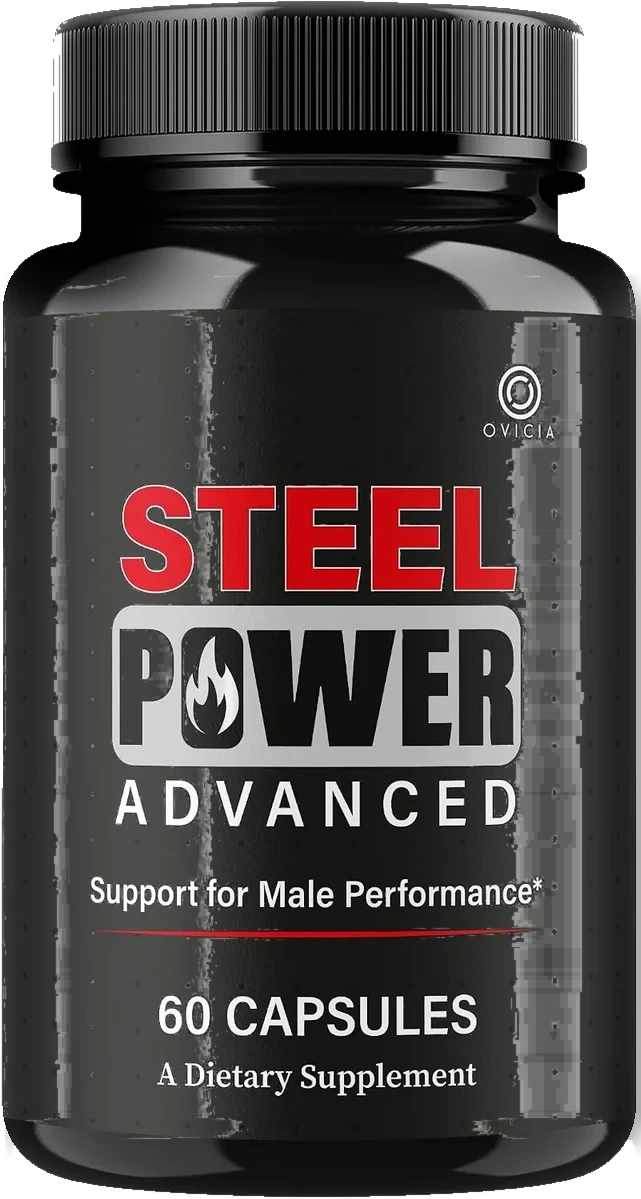
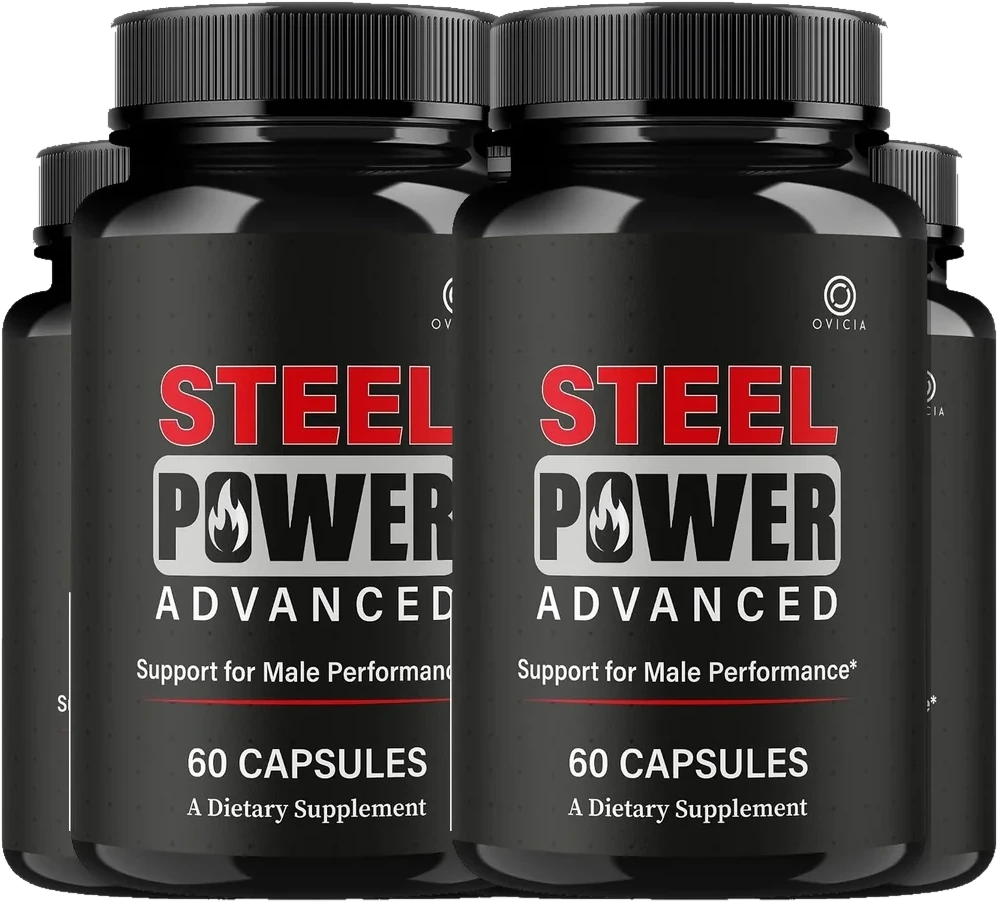
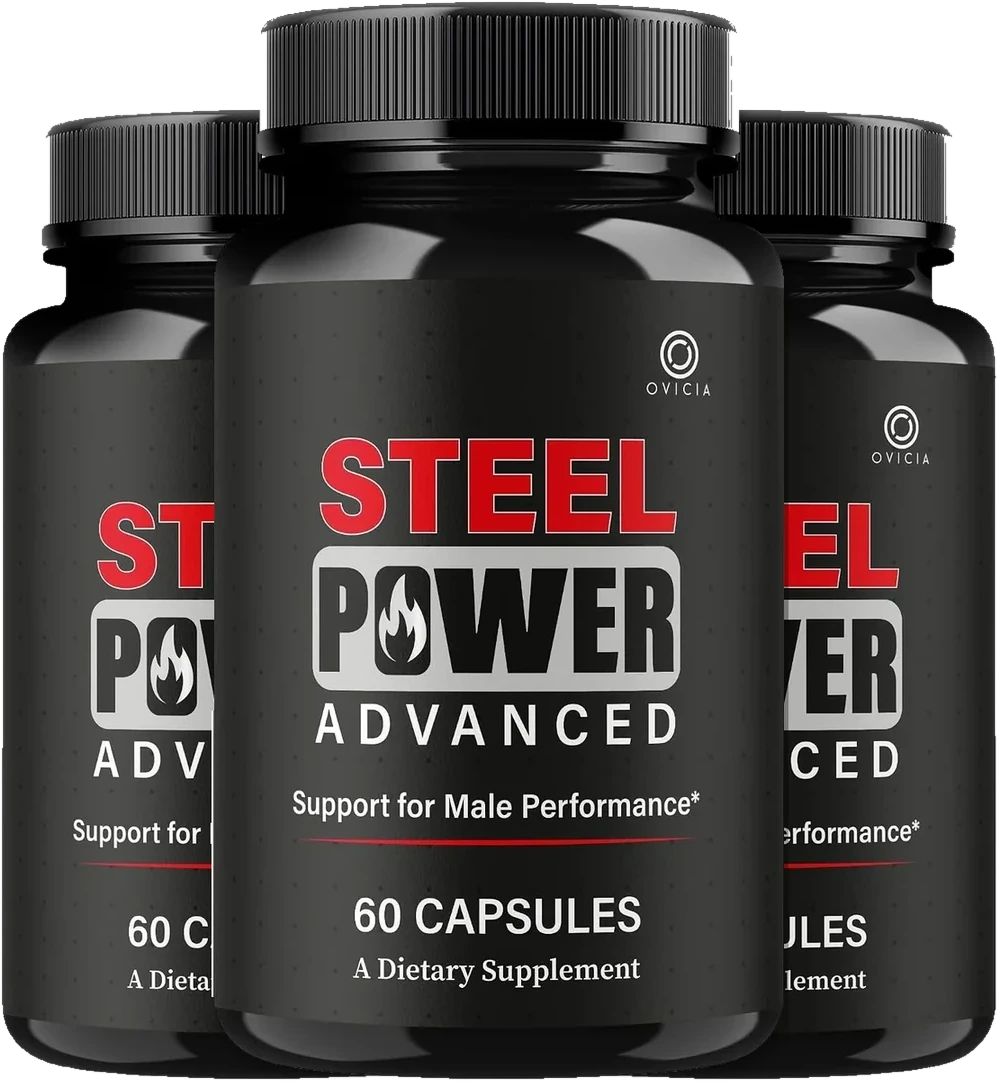
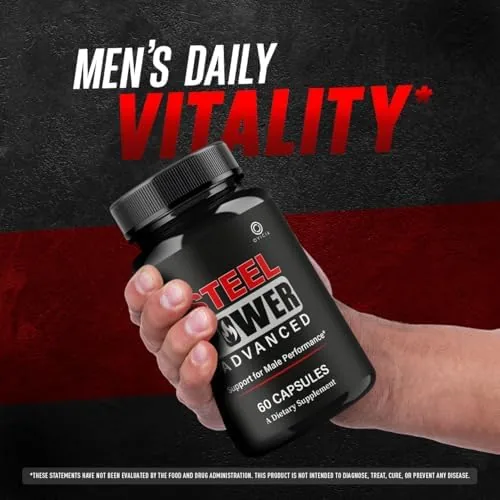
Steel Power brings zinc, adaptogenic roots and circulation support together in one twice-daily capsule — the fill-the-gaps layer on top of the habits above. See the named actives and the supply options.
Check the Official Steel Power OfferWhere a supplement actually fits (and where it doesn't)
Here is the honest objection to address head-on: "If lifestyle is what matters, why take anything at all?" It is a fair question, and the answer is not "because we sell it." The answer is that almost nobody executes the lifestyle perfectly. Very few men sleep nine hours, train three times a week, eat oysters and leafy greens daily, and get enough sun year-round. Real life has gaps, and those gaps are where a supplement earns its keep.
The evidence-based framing is that combining sensible lifestyle changes with a studied-dose supplement tends to outperform either one on its own. Lifestyle builds the foundation; the supplement makes sure a missing nutrient or an unmanaged stress load isn't quietly capping your results. That is a modest, defensible claim — and it is a very different thing from the fantasy that a capsule replaces the work.
What a supplement will not do is override a broken foundation. If you sleep five hours, never train and carry a lot of excess weight, no formula will rescue those numbers, and any product that promises it is lying. It also will not work overnight; like the habits themselves, it builds over weeks — see our breakdown of how long a testosterone booster takes to work for the realistic timeline. Set expectations correctly and the supplement becomes a genuinely useful tool rather than a disappointment.
| Lever | Effort | Impact on testosterone support |
|---|---|---|
| 7-9 hours' sleep | Free, hard to prioritise | Very high — the foundation |
| Resistance training | Moderate, 2-3x/week | High and reliable |
| Losing excess body fat | High, gradual | High for men carrying extra weight |
| Zinc / magnesium / vitamin D | Low | High if you were deficient, modest if not |
| Stress management | Ongoing | Moderate — adaptogens can assist |
| Studied-dose supplement | Low, one serving daily | The convenient fill-the-gaps layer |
How Steel Power fits into a natural routine
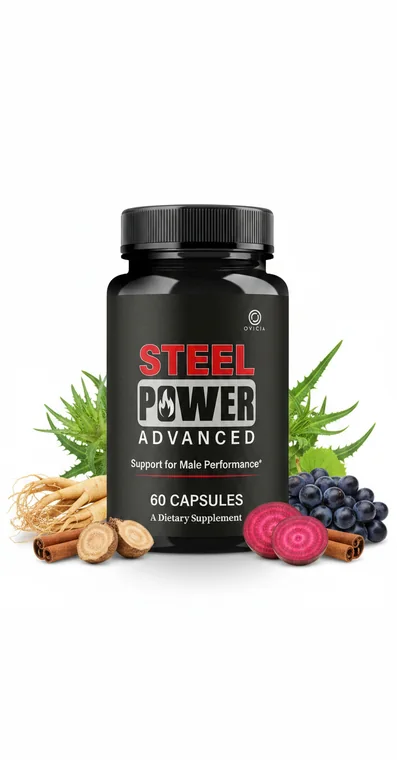
With all of that established, the role of a product like Steel Power becomes easy to describe without hype. It is built as the fill-the-gaps layer: zinc for healthy testosterone support, adaptogenic botanicals such as ashwagandha for the stress-and-energy lever that lifestyle alone struggles to cover, and circulation-supporting ingredients — all in one daily serving instead of a drawer full of separate pills. For a man already doing the sleep-and-training basics, that convenience is the point.
If you want to go deeper on the single most interesting ingredient here, our piece on ashwagandha dosage and timeline for testosterone support explains why the stress lever matters and how long it takes. And if you would rather scrutinise the exact amounts, the Steel Power ingredient panel lists every active and dose so you can compare them against the studied intakes discussed above. That transparency is deliberate: a fill-the-gaps supplement is only worth taking if you can see which gaps it actually fills.
The order of operations, then, is simple. Get your sleep. Lift something heavy a few times a week. Keep your weight in a sensible range, eat enough protein and real food, and manage your stress and alcohol. Then add a studied-dose supplement to cover what daily life leaves uncovered. Do it in that order and you are using every natural lever available — foundation and layer together.
Medical note: this article is general information, not medical advice, and it does not claim any supplement treats, cures or prevents a condition. Persistently low energy, libido or mood can have medical causes worth investigating. Speak to a qualified healthcare professional before starting any supplement, especially alongside prescription medication or an existing health condition.
Frequently asked questions
What lifestyle changes raise testosterone the most?
The biggest levers are sleep, resistance training and body composition. Getting seven to nine hours of quality sleep supports the overnight production of testosterone, lifting weights provides one of the most reliable natural stimuli, and losing excess body fat reduces the conversion of testosterone into estrogen. Managing chronic stress and limiting heavy alcohol matter too, because both suppress healthy hormone balance.
Which foods and nutrients support testosterone?
Testosterone production depends on specific nutrients, and shortfalls in zinc, magnesium and vitamin D are common and linked to lower levels. Zinc-rich foods include oysters, red meat and pumpkin seeds; magnesium comes from leafy greens, nuts and legumes; vitamin D largely comes from sunlight. Enough protein and healthy fats give the body the raw materials it uses to make hormones.
Do I still need a supplement if I fix my lifestyle?
Lifestyle comes first and no capsule replaces it, but few men eat a perfect diet or get enough sun year-round, so nutritional gaps are common. A studied-dose supplement is best seen as a convenient fill-the-gaps layer on top of good habits, not a substitute for them. Combining sensible lifestyle changes with a supplement tends to outperform either one on its own.
How does Steel Power fit into a natural routine?
Steel Power is designed as the fill-the-gaps layer on top of sleep, training and a decent diet. It supplies zinc for healthy testosterone support, adaptogenic botanicals for stress and energy, and circulation-supporting ingredients in one daily serving, so you cover the nutrients that diet often misses without managing a drawer full of separate pills. It works best alongside good habits, never instead of them.
Scientific references
- NIH Office of Dietary Supplements — Zinc fact sheet and food sources
- NIH Office of Dietary Supplements — Magnesium fact sheet and intake gaps
- NIH Office of Dietary Supplements — Vitamin D fact sheet
- CDC — how much sleep adults need (7-9 hours)
- Harvard Health — testosterone: what it does and doesn't do
- NIH NCCIH — Ashwagandha and the stress pathway
Related reading
Add the fill-the-gaps layer to your routine
Once the sleep, training and diet basics are in place, Steel Power sits on top as the nutrient layer — two capsules a day, five named actives, with a money-back guarantee.